
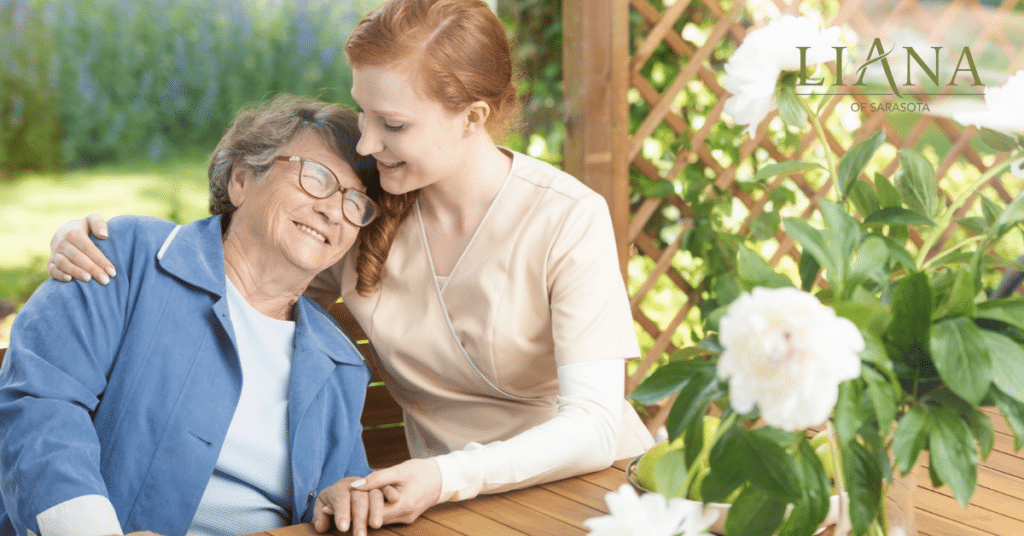
Daily life can change significantly when an older adult is living with dementia. Things that once happened automatically, such as getting dressed or having meals, may require more guidance over...
Read more
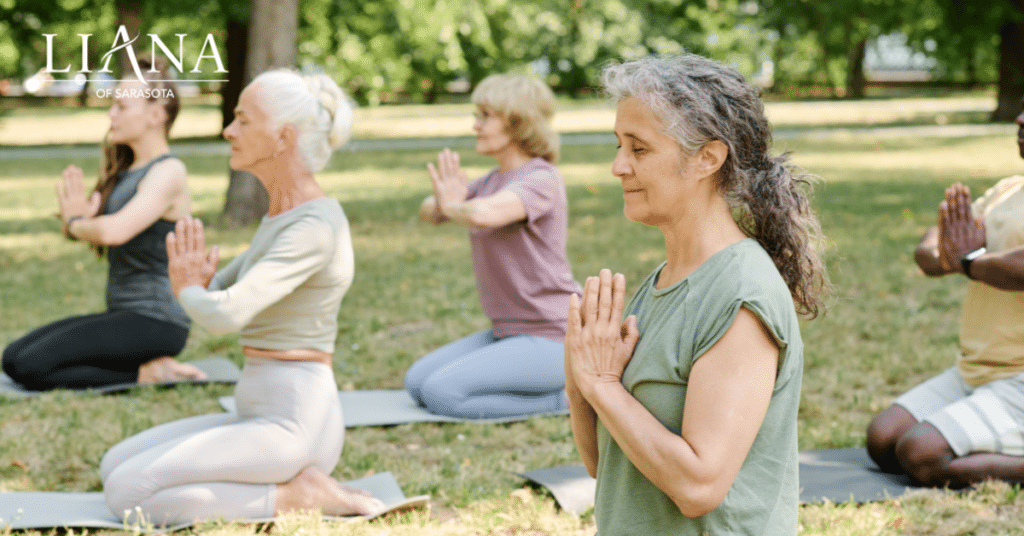
As we age, staying active and confident in movement becomes more important than ever. Balance exercises for seniors not only help prevent falls but also enhance strength, coordination, and overall well-being. With consistent practice, they can improve both their bodies and minds, helping seniors maintain an active lifestyle. Simple daily routines can make a significant difference in mobility, independence, and confidence. Let’s explore how these exercises can support both the body and mind in everyday life.
Balance exercises play a central role in maintaining mobility and independence. For seniors, these exercises reduce the risk of falls, strengthen muscles, and improve coordination. Residents in memory care programs especially benefit, as these exercises enhance safety while encouraging engagement in daily activities. Incorporating balance exercises for seniors into routine schedules ensures that physical and cognitive health are nurtured simultaneously.
Regular physical activity supports overall health, mental clarity, and independence. Older adults are encouraged to aim for 150 minutes of moderate activity per week, including strength training twice per week and dedicated balance exercises. These routines contribute to safer mobility, better posture, and increased energy.
Balance exercises also stimulate the brain. Engaging in activities that challenge stability improves coordination between the brain and muscles, reinforcing neural pathways critical for movement control. Strength and balance exercises for seniors target multiple muscle groups simultaneously, helping residents maintain confidence and agility in daily life.
Activities that challenge balance also help stimulate cognitive function. Studies have shown that engaging in balance exercises can improve memory and focus. This is because these activities require concentration and coordination, stimulating different parts of the brain.
Physical activity, including balance exercises, has been proven to reduce symptoms of anxiety and depression. For seniors, maintaining mental health is just as important as physical health. Balance exercises offer a dual benefit by improving both physical stability and mental well-being.
Balance exercises for seniors at home can be easy to incorporate, even in small spaces. Examples include:
Integrating these exercises into daily routines – like practicing heel-to-toe walking while moving around the kitchen or standing on one foot while brushing teeth – helps make physical activity consistent and approachable.
Participating in group exercise classes enhances motivation, accountability, and social interaction. Many memory care communities offer routines that combine yoga, pilates, or barre:
These practices represent some of the best balance exercises for seniors, as they simultaneously challenge physical coordination and cognitive engagement. Group settings also encourage socialization, which enhances mental and emotional well-being.
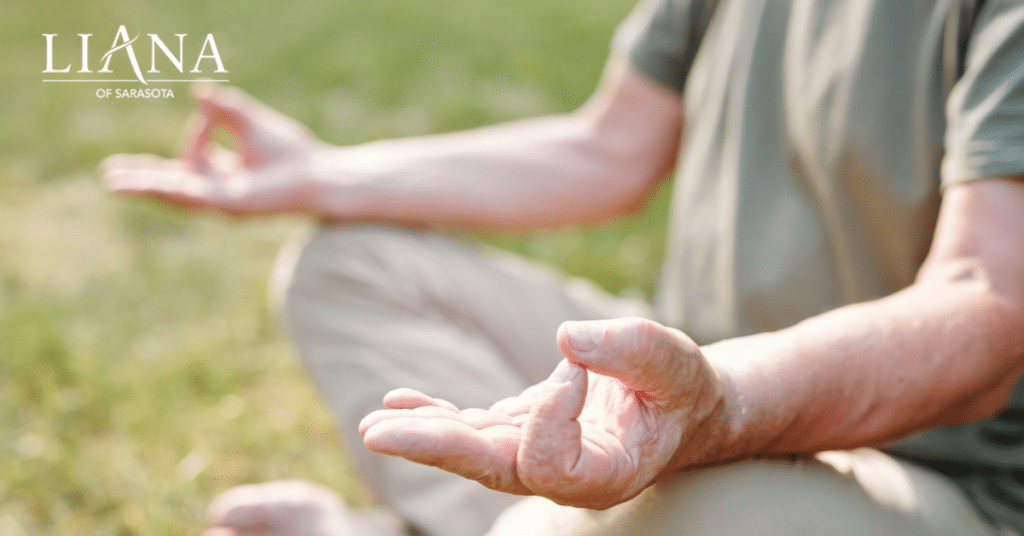
Care partners and family members are essential in providing guidance and support. Creating a safe environment, free of tripping hazards, well-lit, and equipped with stable furniture, ensures seniors can practice confidently. Gradually increasing the difficulty of exercise allows residents to build strength without risking injury.
Families often ask, what are some good balance exercises for seniors? The answer depends on individual abilities and preferences. Personalized routines that match mobility levels, integrate fun, and allow gradual progression maximize both engagement and effectiveness. Incorporating activities residents enjoy – like Tai Chi, gentle dance, or even walking along a garden path – helps reinforce consistency.
Balance exercises enhance independence and quality of life. Residents in memory care benefit from structured routines that include balance activities, improving not only physical stability but also cognitive engagement and social interaction. A structured, secure environment encourages residents to participate in group activities, maintain confidence while walking or exploring, and continue performing daily tasks safely.
Incorporating balance exercises for seniors into daily schedules supports a holistic approach to care. Residents experience improved coordination, reduced fall risk, and greater confidence in navigating both indoor and outdoor spaces. Care partners can monitor progress, adjust difficulty, and ensure exercises are enjoyable, safe, and effective.
Balance exercises for seniors are essential for strength, mobility, and mental well-being. Liana of Sarasota offers a secure, welcoming memory care community where residents can participate in guided balance and strength routines, supported by compassionate care partners. Schedule a personal tour to see how our programs enhance physical and cognitive function, foster independence, and encourage social engagement. Regular practice helps residents build confidence, autonomy, and a higher overall quality of life.
Daily life can change significantly when an older adult is living with dementia. Things that once happened automatically, such as getting dressed or having meals, may require more guidance over...
Read more
Living with dementia can change how a person communicates, participates in daily activities, and connects with the people around them. For families, finding meaningful ways to support a loved one...
Read more
An Alzheimer's diagnosis can leave families with a lot of questions about what comes next. As memory and thinking skills change, everyday tasks may become harder, but staying in familiar...
Read more
Daily life can change significantly when an older adult is living with dementia. Things that once happened automatically, such as getting dressed or having meals, may require more guidance over...
Read more
Living with dementia can change how a person communicates, participates in daily activities, and connects with the people around them. For families, finding meaningful ways to support a loved one...
Read more
An Alzheimer's diagnosis can leave families with a lot of questions about what comes next. As memory and thinking skills change, everyday tasks may become harder, but staying in familiar...
Read more