

Eating well matters at every age, but it can take on even greater importance for older adults living with Alzheimer's or another form of dementia. In memory care, a meal...
Read more

Choosing memory care for someone you love can bring up a lot at once. You may be thinking about safety, comfort, routines, and whether your loved one will still have moments that feel like their own. The right activities for seniors can help with that. Sometimes a favorite song, the smell of fresh coffee, or the feel of soft fabric can bring a person back to something familiar.
Whether you’re exploring options for your loved one or already navigating this stage of their journey, understanding the role of sensory activities can inspire new ideas for care and make a significant difference in your loved one’s happiness and well-being.
Sensory activities are designed to awaken and stimulate the five senses – sight, smell, touch, taste, and hearing. These activities can be especially beneficial for seniors in memory care because they can evoke positive emotions, encourage communication, and improve cognitive function.
Some older adults living with dementia or Alzheimer’s may start to pull back from conversations, routines, or the things they once enjoyed. Sensory activities can help bring those familiar moments closer again. A song they used to love might lead to a smile or a few quiet words. The scent of lavender, fresh coffee, or something baking in the kitchen can also help the day feel calmer and more familiar.
The goal of sensory activities for seniors is simple – to promote well-being, create happiness, and improve overall quality of life in memory care settings.
Different senses can open different doors to connection. Some days, a resident may respond best to music. On another day, touch or scent may feel more comforting. The right choice depends on mood, energy, personal preferences, and the level of memory support needed.
Touch can be deeply calming, especially when the activity feels familiar and easy to enjoy. Simple materials can give residents something pleasant to explore with their hands.
For example, a resident who once enjoyed sewing may like sorting fabric squares by color or texture. Someone who loved gardening may enjoy arranging flowers or feeling fresh soil. These good activities for seniors provide gentle sensory input while also honoring the person’s life story.
Music often reaches memories in a powerful way. A familiar song can bring a smile, encourage gentle movement, or create a shared moment between a resident and family member.
Sound should be chosen carefully. Some residents enjoy group music, while others prefer quiet listening in a smaller space. In a structured environment, the purpose is to create a supportive, comfortable experience.
Scent is closely connected to memory and emotion. Familiar aromas can bring comfort, recognition, and a sense of home.
This is why sensory activities for seniors with memory changes often include scent, as it can help with recognition even when words are harder to find. A care partner might offer scented hand lotion, invite a resident to smell fresh herbs, or include familiar aromas during a seasonal activity.
Visual engagement can help residents connect with familiar people, places, colors, and creative moments. These activities work best when they are simple, clear, and easy to enjoy.
In memory care, visual activities are most helpful when they do not feel rushed. A secure community can provide calm spaces, safe walking areas, and welcoming rooms where residents can enjoy visual cues at their own pace.
Taste can bring warmth and connection to the day. Familiar flavors often remind residents of family meals, holidays, or simple daily routines.
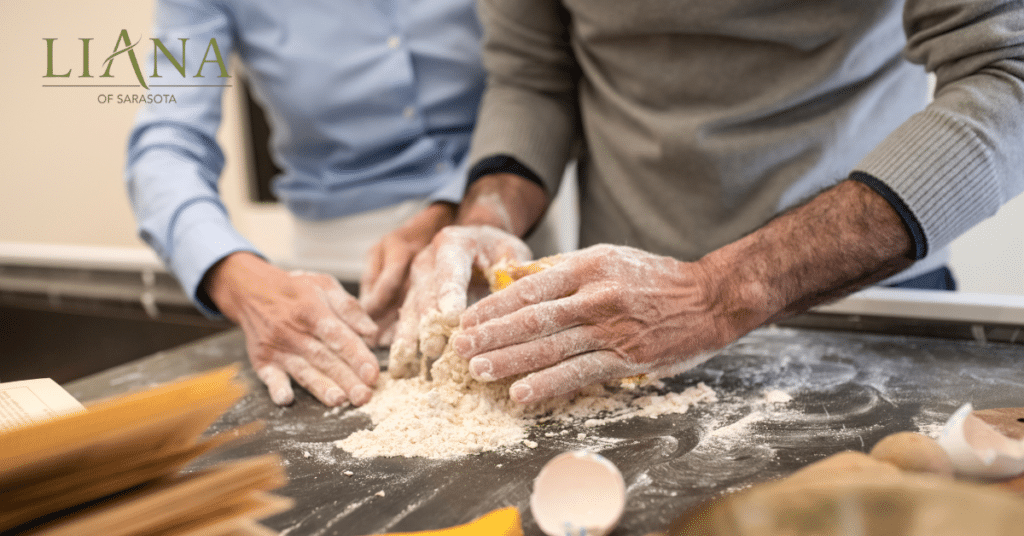
A resident may not remember every detail of a recipe, but they may still enjoy stirring, tasting, smelling, or sitting with others during a shared snack. These activities for seniors built around taste can also encourage conversation, comfort, and social connection.
The most effective activities begin with listening. Families know the stories, habits, and small details that make their loved one unique. Did they enjoy church music, fishing, dancing, cooking, painting, pets, sports, or quiet mornings outside? These details help care partners create specialized care that feels personal.
Familiar routines can make the day feel more predictable. Morning music, an afternoon walk, a favorite scent before rest time, or a simple folding task can become part of a calming rhythm. These activities for seniors are often most successful when they connect to something the person already knows.
A good sensory activity does not have to last long. Five peaceful minutes with a familiar song may be more meaningful than a full group session. Flexibility matters because energy and comfort can change from day to day. Care partners can adjust the activity, shorten it, move to a quieter space, or offer another choice.
Families can take part in small but powerful ways. They can bring labeled photos, suggest favorite songs, share family recipes, or visit during an activity their loved one enjoys. These activities for seniors can become even more meaningful when they include familiar voices and shared memories.
This involvement helps families see that memory care is not only about safety. It is about daily life, relationships, dignity, and moments that still feel personal.
Sensory engagement can support residents in simple but meaningful ways, especially when it is part of a person-centered memory care routine. Benefits may include:
In a person-centered memory care setting, sensory engagement is not just something to do. It is part of a thoughtful routine that supports comfort, dignity, independence where possible, and meaningful connection.
At Liana of Sarasota, memory care is built around compassion, safety, and respect for each resident’s story. Sensory activities, music, creative projects, familiar routines, and family involvement all help create a home-like rhythm that helps loved ones feel supported.
The decision to explore memory care can be difficult, but families do not have to make it alone. If you are looking for activities for seniors that support dignity, comfort, and connection in a secure community, schedule a personal tour to Liana of Sarasota and see how specialized care can help your loved one feel at home.
Eating well matters at every age, but it can take on even greater importance for older adults living with Alzheimer's or another form of dementia. In memory care, a meal...
Read more
Memory changes and cognitive decline can become part of the aging process for some older adults. For seniors living with Alzheimer’s disease, dementia, or another cognitive condition, having the right...
Read more
When a family starts considering comfort-focused care for someone they love, it is natural to wonder how long a person may live in hospice. This question often evokes many emotions,...
Read more
Eating well matters at every age, but it can take on even greater importance for older adults living with Alzheimer's or another form of dementia. In memory care, a meal...
Read more
Memory changes and cognitive decline can become part of the aging process for some older adults. For seniors living with Alzheimer’s disease, dementia, or another cognitive condition, having the right...
Read more
When a family starts considering comfort-focused care for someone they love, it is natural to wonder how long a person may live in hospice. This question often evokes many emotions,...
Read more