

Key Takeaways
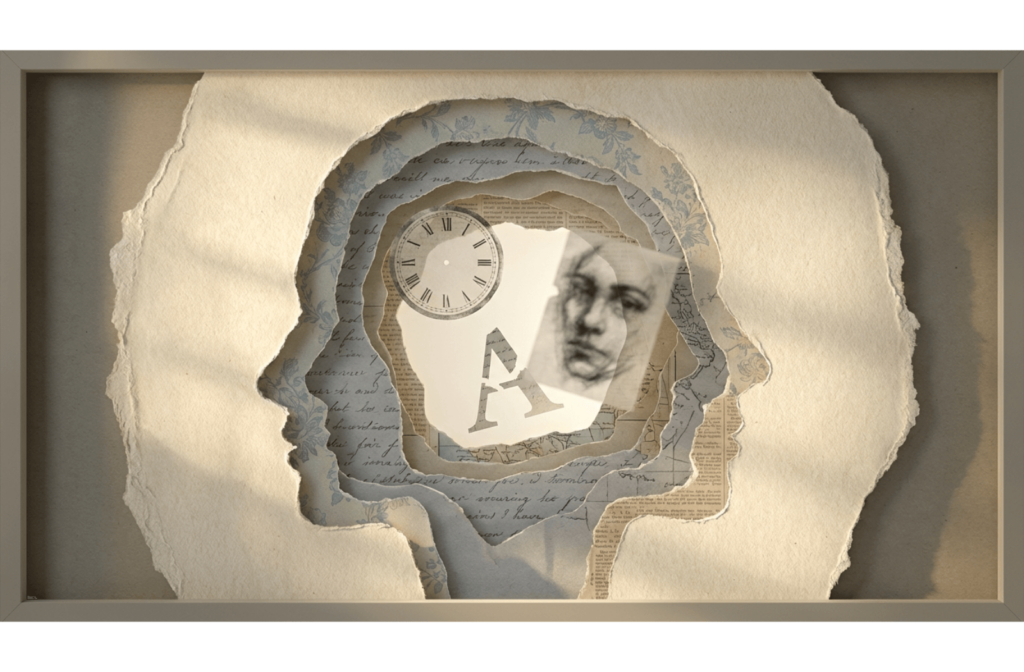
- Alzheimer’s symptoms are often grouped into a framework known as the “4 A’s” to make them easier to understand. The 4 As are amnesia, aphasia, apraxia, and agnosia.
- Amnesia refers to significant memory loss, particularly concerning recent events, that goes beyond typical forgetfulness.
- Aphasia involves challenges with language, including finding the right words, speaking clearly, and understanding others.
- Apraxia is the difficulty in carrying out familiar, sequential movements, such as getting dressed or using utensils.
- Agnosia is the inability to recognize familiar people, objects, or senses like sounds and smells.
A Guide to the Common Signs of Alzheimer’s
When you’re supporting a loved one through changes in their cognitive health, you might feel uncertain about what’s happening. At Liana of Sarasota, our team understands it can be confusing to see someone you care about struggle with once-simple tasks. Knowing the common signs empowers you to respond with patience and find the right kind of support, especially if you’re learning how to deal with dementia in a parent.
This guide offers a simple way to recognize some of the changes associated with Alzheimer’s disease. These common signs are often grouped into the “4 A’s,” which provides a clear framework to better understand what your loved one may be going through. The 4 As of Alzheimer’s are amnesia, aphasia, apraxia, and agnosia. Learning more about each sign and understanding them together helps turn confusion into comprehension, allowing you to focus on connection.
The First A — Amnesia
What Amnesia Means
This term refers to memory loss that goes beyond simple, everyday forgetfulness. It often affects short-term memory first, so your loved one might forget a conversation that happened minutes ago while still recalling detailed stories from childhood. This happens because the brain has more trouble forming new memories.
How It Appears in Daily Life
You may see this pattern in daily interactions. For example, your loved one might not just forget the time of an appointment, but forget it was ever made. Other examples include:
- Asking the same questions repeatedly, which requires compassionate communication strategies.
- Retelling the same story with the same enthusiasm as if it’s the first time.
- Having trouble recalling recent events, like a family visit from the day before.
- Relying heavily on notes or family members for daily schedules and tasks.
The Second A — Aphasia
What Aphasia Means
Aphasia is a challenge with language and communication. It affects your loved one’s ability to find the right words, process what others are saying, or express thoughts clearly. This can be frustrating for them, as they know what they want to say but can’t get the words out. It’s a challenge with the brain’s language center, not a problem with intelligence.
Conversations may become more challenging to follow. Patience is key, and it helps to know what phrases to avoid to reduce frustration. Focusing on non-verbal cues like tone of voice and body language can help you stay connected.
How It Appears in Daily Life
Language difficulties can appear in various ways as you talk with your loved one. You might observe them:
- Struggling to find a specific word, sometimes describing it instead (e.g., “the thing you write with” for a pen).
- Calling objects by the wrong name.
- Speaking in jumbled or incomplete sentences that are hard to follow.
- Having difficulty understanding your questions or comments.
The Third A — Apraxia
What Apraxia Means
Apraxia affects the ability to perform familiar, purposeful movements. Even when their muscles work properly and they understand a request, they can’t make their body carry out the sequence of actions. It’s like a disconnect between the brain’s command center and the body’s ability to follow instructions.
This can make multi-step tasks, like the activities of daily living, challenging. For example, brushing teeth involves many small, coordinated movements that may become difficult to sequence.
How It Appears in Daily Life
This can impact many routine activities that were once automatic. For instance, your loved one may:
- Have difficulty with the steps involved in getting dressed, like putting on socks over their shoes.
- Struggle to use everyday tools correctly, such as holding a fork upside down.
- Find it hard to complete a familiar task like using the television remote or making a cup of tea.
- Lose the ability to perform a learned motor skill like buttoning a shirt.
The Fourth A — Agnosia
What Agnosia Means
Agnosia is an inability to recognize things using the 5 senses, even though the senses themselves are working. Your loved one’s eyes and ears may be fine, but their brain can’t interpret the information it receives. This applies to recognizing people, objects, or sounds and is one of the 10 early signs of Alzheimer’s.
For example, they might see a flower and describe its color and shape but not be able to name it as a “rose.” This can be disorienting, as the world around them becomes less familiar.
How It Appears in Daily Life
This loss of recognition can be one of the more challenging changes for everyone involved. You might notice that your loved one:
- Does not recognize the face of a close friend or even a family member.
- Is unable to identify a common object by sight, like a key or a phone.
- Hears a doorbell but doesn’t connect the sound to someone being at the door.
- Cannot recognize a familiar food by its taste or smell.
How to Respond with Support and Care
The Value of a Compassionate Approach
Your patient and understanding response can make a world of difference. Instead of correcting every mistake, try to gently redirect or join them in their reality. A calm, predictable environment often helps reduce confusion and frustration.
Simple adjustments in communication can also help. Speak clearly in short sentences, make eye contact, and allow plenty of time for a response. Your calm presence can be incredibly reassuring and help your loved one feel supported.
Find the Right Support System
As needs evolve, you may explore different care options. A community that offers dedicated memory care provides a setting designed for safety, comfort, and engagement. These programs often include structured activities that give residents a sense of purpose and connection.
For family caregivers, programs like respite care offer a chance to rest and recharge while knowing your loved one is in good hands. The right senior living community focuses on a person-first approach, honoring each individual’s history and preferences to support them with dignity.
A Path Forward with Understanding
The 4 A’s provide a helpful way to comprehend the changes that come with Alzheimer’s. This knowledge allows you to respond with greater compassion and seek the right support for your loved one. Understanding is the first step toward providing care that preserves their quality of life.The focus always remains on the person—their life story, their personality, and their well-being. At Liana of Sarasota, the approach is built on creating meaningful connections and supporting residents in living a life they cherish. With a caring network, you can navigate this path with grace and find new ways to connect.


