

Key Takeaways
- The 5-word memory test is a simple screen used to get a quick snapshot of a person’s memory function.
- It is not a diagnostic tool but can help identify potential cognitive changes that may need more attention.
- The process involves listening to 5 words, a brief delay, and then recalling them.
- Results can be a helpful starting point for conversations with healthcare professionals about supportive senior living and memory care options.
A Simple Look at This Memory Screen
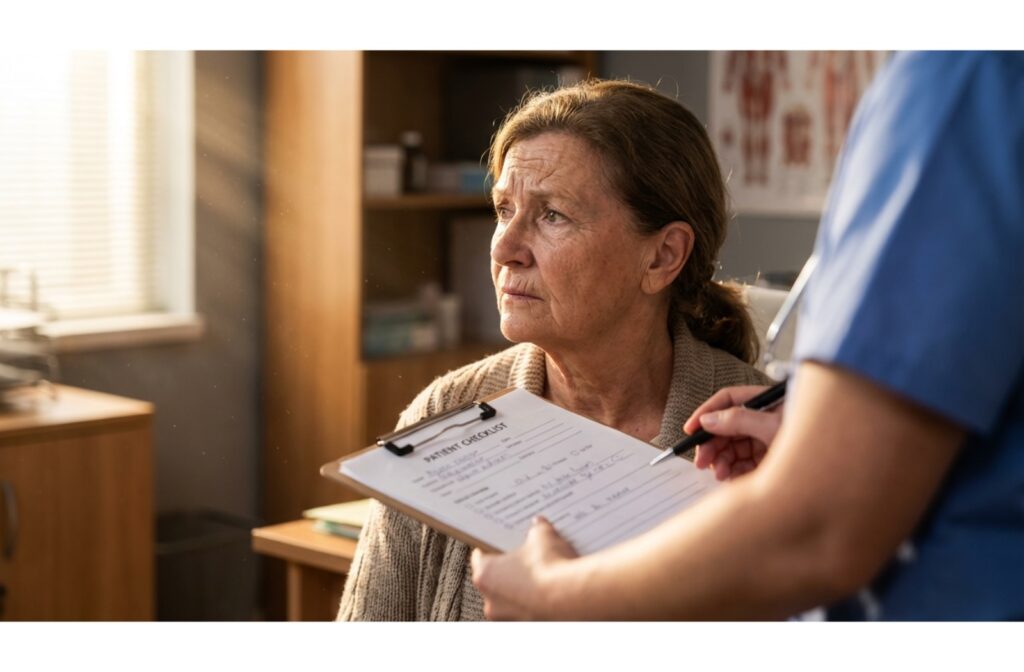
When you notice small changes in a loved one’s memory, you might look for simple ways to understand what’s happening. The 5-word memory test is one tool that can offer a quick snapshot of a person’s short-term memory function, often used by healthcare providers during routine check-ups for families exploring the support offered at a community like Liana of Sarasota.
It is a straightforward screening that gives a brief glimpse into memory performance by asking someone to recall 5 unrelated words after a short distraction. It is not a substitute for an official diagnosis. Instead, you can see it as a first step that may point to the need for a more detailed conversation about supportive options like specialized memory care. It’s a way to open a dialogue about a person’s health in a gentle and supportive way.
How the Test Works Step by Step
Understanding the process can help you feel more prepared and at ease. The test is broken down into a few simple stages to make it a calm and clear experience for everyone involved.
The Registration Phase: A professional will say 5 common, unrelated words. The person is then asked to repeat the words back. This step confirms they have heard and understood the words before the memory portion of the screen begins.
The Recall Phase: After the words are repeated, there is a short delay of a few minutes. During this time, the person may be asked to do a simple, distracting task. Afterward, they are asked to recall the 5 original words from memory.
The Scoring Process: The score is based on how many of the 5 words the person can remember without any hints or prompts. This number gives a simple, clear piece of information about their recall ability, which is one part of a comprehensive diagnostic process for cognitive conditions.
What the Results May Suggest
It’s natural to have questions about what the score from a memory screen means. A score is simply a piece of information, not a complete picture of a person’s health, much like the 10 early signs of Alzheimer’s are indicators rather than a diagnosis. It provides a starting point for further discussion.
A lower score may suggest that a more thorough evaluation could be helpful. But this screen is just one element of a much larger health profile. Many factors can influence a person’s memory on any given day, so the results are best reviewed in a broader context.
For example, a person’s mood, sleep quality, or even certain medications can impact their performance on the test. That’s why you shouldn’t view the results in isolation. Instead, think of them as a conversation starter with a healthcare professional who can look at the whole health picture.
Talk Through Next Steps with a Professional
The most productive way to use the information from a memory screen is as a tool to open a dialogue. You can bring the results to a healthcare provider to talk about any observations or questions you have. Learning how to communicate compassionately can make these conversations more supportive for everyone involved.
The Role of Awareness in Senior Living
Early awareness of cognitive changes can help you and your loved one make thoughtful, informed decisions about the future. When you understand their needs, you can find the right environment for them to live well. This knowledge empowers you to explore different types of support before a need becomes urgent.
By planning ahead, you give your loved one a voice in their own future care. This collaborative approach can reduce stress for everyone involved and allows for a more gradual and comfortable transition if a move to a senior living community is the right choice.
This is where different senior living options become part of the conversation, and it can be helpful to explore what memory care entails. For individuals with memory changes, specialized programs are designed to provide cognitive support in a structured and engaging setting. These programs often focus on activities that promote connection and purpose.
Finding a supportive community can make a significant difference in a person’s daily life. A positive environment with compassionate care and opportunities for social engagement helps residents continue to live a life they cherish.
How a Supportive Community Makes a Difference
Choosing a path forward for a loved one is a journey of care and connection. A person-first approach in a senior living community means taking the time to listen to life stories, grasp individual interests, and support residents in living a fulfilling life. The focus is on what a person can do, not what they can’t.
Compassionate programs can support both residents and their families. Options like respite care can also offer family caregivers a chance to rest and recharge, knowing their loved one is in a safe and welcoming place. This kind of support fosters a sense of partnership and shared well-being.
At Liana of Sarasota, our approach is built on creating meaningful bonds and offering experiences that support and celebrate each person. You can schedule a tour to explore our community and see for yourself how it is designed with your loved one’s comfort and happiness in mind.


